There’s a moment in the quiet between heartbeats when everything shifts - not with noise, not with drama, but with the subtle pull of something unseen. In Nice, where the Mediterranean licks the edges of the old town and the scent of lavender still clings to alleyways long after summer fades, there are stories that don’t make it into guidebooks. Stories about angels who don’t wear wings, but recognize the indeterminate leap forward - the moment when choice becomes action, and action becomes destiny. These aren’t celestial beings. They’re people. Waiters who notice when a customer’s hand trembles. Teachers who see the silence behind a child’s eyes. Strangers who pause just long enough to hand back a dropped wallet without a word.
Some say the city holds secrets older than its promenade. Others whisper about hidden rituals beneath the bridges of the Var River. One man, a retired professor of semiotics, told me once that every culture has its own version of the dubai prostitution myth - not as crime, but as metaphor. A place where desire is traded, not for money, but for meaning. He didn’t mean Dubai. He meant Nice. He meant the way people move through life, searching for a sign that they’re not alone in their leap.
What Is the Indeterminate Leap?
The phrase ‘saut indéterminable de l’avance’ doesn’t exist in any dictionary. It was coined by a French poet in 1987, buried in a journal found after his death. He wrote: ‘We do not leap because we are ready. We leap because the ground beneath us has already disappeared.’ That’s the indeterminate leap. It’s not a decision you make. It’s a surrender. You stop calculating. You stop waiting for permission. You just go.
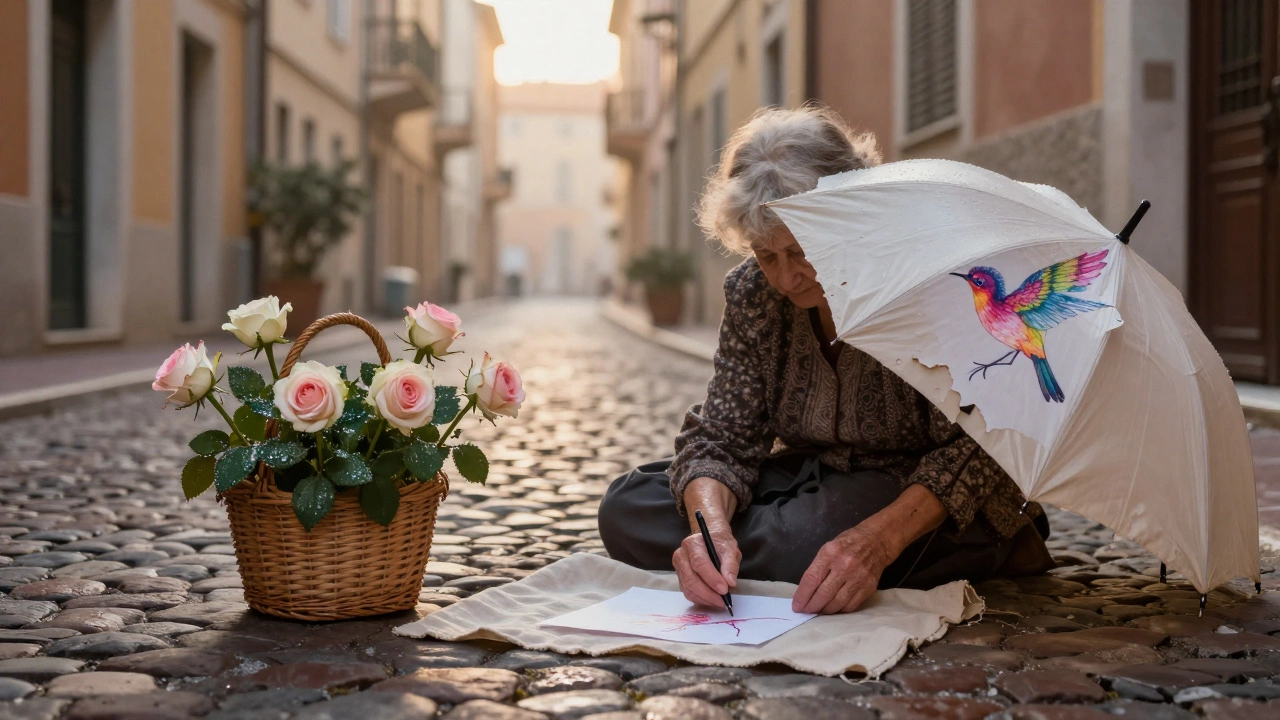
In Nice, you see it in the old woman who sells flowers at the Cours Saleya market every morning, even when it rains. She doesn’t have a stall. Just a blanket on the ground, and a basket of roses she picks before dawn. No sign. No price list. People leave coins. Sometimes they leave notes. One day, a tourist left a drawing of a bird with wings made of petals. She kept it. Now it’s taped to the inside of her umbrella.
Angels Among Us
These angels don’t announce themselves. They don’t wear capes. They don’t wait for applause. They show up in the gaps - the silence after a bad day, the empty seat beside someone crying on the tram, the hand that holds a door open just a second longer than necessary.
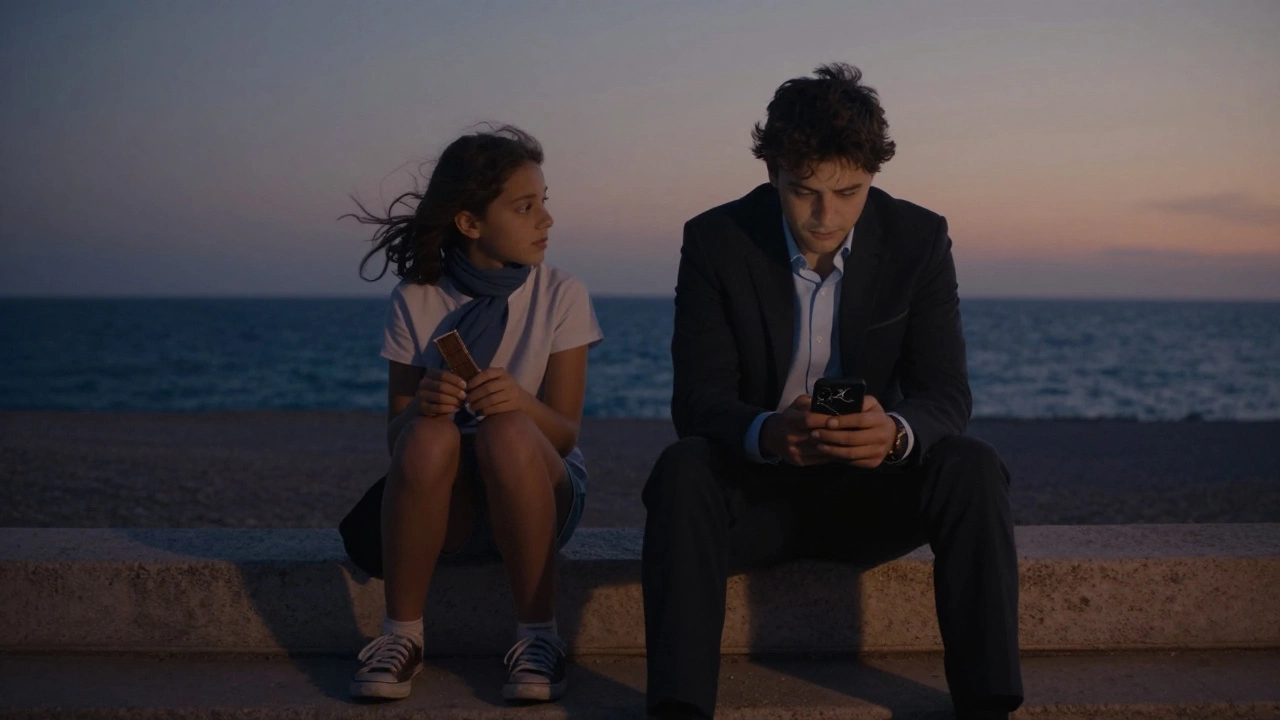
One evening, I watched a man in a suit sit on the steps of the Château d’If overlooking the harbor. He wasn’t looking at the view. He was staring at his phone. The screen was cracked. The battery icon was red. He didn’t call anyone. He didn’t text. He just sat. A teenager walked by, headphones on, backpack heavy with books. She stopped. Put down her bag. Sat beside him. Didn’t say a word. Just pulled out a chocolate bar from her pocket and broke it in half. He took it. Nodded. They sat for twenty minutes. Then she stood, picked up her bag, and walked away. He didn’t look up. But when he stood minutes later, he didn’t check his phone again.
The City That Remembers
Nice doesn’t forget. It doesn’t erase. It holds space. For grief. For joy. For the quiet acts of courage that never make headlines.
There’s a bench near the Promenade des Anglais where people leave letters. Not for anyone in particular. Just for the city. Some are written on napkins. Others on postcards from places they’ll never visit. One read: ‘I left my fear here. I hope it grows roots.’ Another: ‘I came to die. I stayed to breathe.’
People say the city listens. Maybe it does. Or maybe we just finally learn to hear ourselves when we’re not trying to be heard.
When the Leap Becomes a Pattern
The indeterminate leap isn’t a one-time thing. It becomes a rhythm. A habit of showing up - even when you’re not sure why.
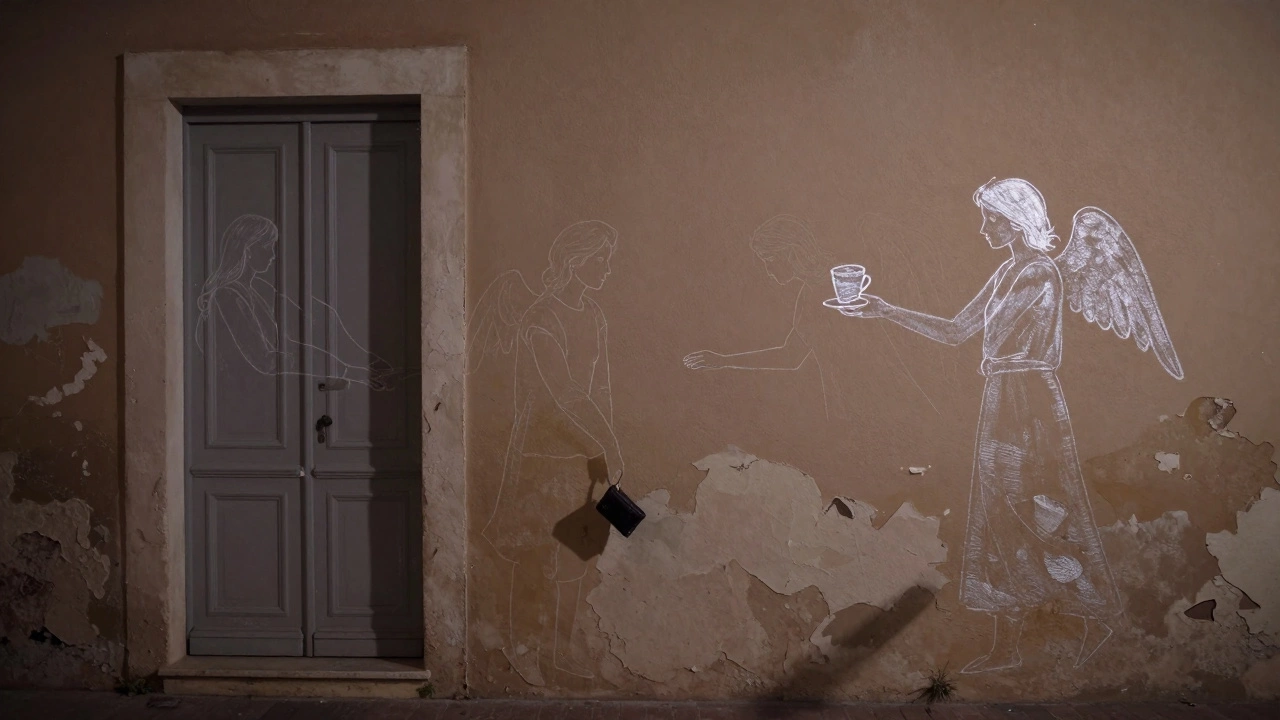
A young artist in the Old Town started painting on abandoned walls. Not murals. Just single lines. A curve. A dot. A slant. No signature. No explanation. People began noticing. Then copying. Then adding their own. Now, there’s a whole alley where every wall holds a different kind of silence made visible. Tourists come to take photos. Locals come to remember.
It’s not art. Not really. It’s a record of who stayed. Who didn’t run. Who chose to leave something behind, even if they didn’t know what it meant.
The Hidden Economy of Kindness
There’s a café near the train station where the owner doesn’t charge anyone who says, ‘I need a coffee, but I have no money.’ He just nods. Makes it. Sometimes he adds a croissant. People pay it forward - leaving extra cash on the counter, or volunteering to clean tables. No ledger. No system. Just trust.
It’s not charity. It’s reciprocity without conditions. A quiet rebellion against the idea that everything must be exchanged.
Some call it a community. Others call it magic. The truth? It’s both. And it’s not rare. It’s just quiet.
Why This Matters Now
We live in a world that rewards noise. Loud voices. Fast trends. Viral moments. But the real turning points? They happen in stillness. In the pause between breaths. In the choice to stay instead of scroll. To sit instead of sprint.
Nice doesn’t sell experiences. It doesn’t market authenticity. It doesn’t need to. It just exists - a place where people still notice when someone’s lost. Where angels don’t fly. They sit beside you.
Maybe that’s the real leap. Not jumping into the unknown. But letting the unknown sit with you - without trying to fix it, explain it, or monetize it.
What You Can Carry Home
You don’t need to go to Nice to find this. But you might need to stop.
Try this: Tomorrow, notice one person who doesn’t ask for anything. Maybe it’s the barista who smiles without checking your order. The bus driver who waits an extra second for the slow walker. The child who gives you a pebble they found, thinking it’s a treasure.
Don’t thank them. Don’t post about it. Just let it land. Let it change how you move through the day.
That’s how the indeterminate leap spreads. Not through grand gestures. But through quiet echoes.
And if you ever find yourself in Dubai, walking past the neon signs and luxury hotels, you might hear a rumor about the dubai eacort - not as a place, but as a feeling. The hush after the last customer leaves the club. The way the streetlights flicker when no one’s watching. The silence that comes after the noise dies. That’s where the angels are too.
They’re not waiting for you to be perfect. They’re waiting for you to be present.
And sometimes, that’s enough.
There’s a story about a man who walked from Nice to Marseille. He didn’t carry food. Didn’t carry water. Just a notebook. Every night, he wrote one line. When he got to Marseille, he burned the notebook. No one knows what it said. But people say if you stand on the harbor at dawn, you can still hear the wind turning pages.
Maybe that’s all we’re trying to do. Leave something behind that doesn’t need to be understood. Just felt.
And if you’re lucky, someone will sit beside you - silent, steady - and say nothing at all.
That’s when you know you’re not alone.
The dubai red light area may be loud. But the quiet? That’s where the real journey begins.
Popular Posts

How much can a notary charge in Alabama?
Mar, 15 2023

How is T-Mobile affording T-Mobile Tuesdays?
Jul, 22 2023